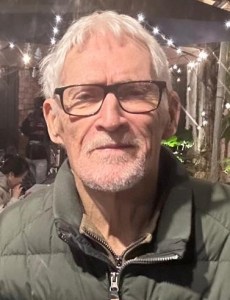
Philosophy can be done in many ways. My preferred way is reflective conversations with interested dialogue partners.
My first project of this kind was a study of Sudanese thinking about sharaf (honour) and karāma (dignity) and other key elements of Sudanese ethics as I found it during my five years in Khartoum in the 1960s. The immediate aim was to find out how the dialogue partners understood those words and their settings and, looking forward, stimulating reflection in Sudan and elsewhere on received views on such notions as honour, dignity and self-respect.
From that on, reflective conversations with interested dialogue partners have played a key role in my contributions to ethics and aesthetics, the philosophy of the cultural sciences, practical knowledge, working life studies, and development studies.
Throughout, there is an emphasis on the role of examples in understanding and lack of understanding.
 TORE NORDENSTAM, PHILOSOPHER